
Brown Challenge in Spain Sparks Fresh Warnings Over Disturbing Pool Trend
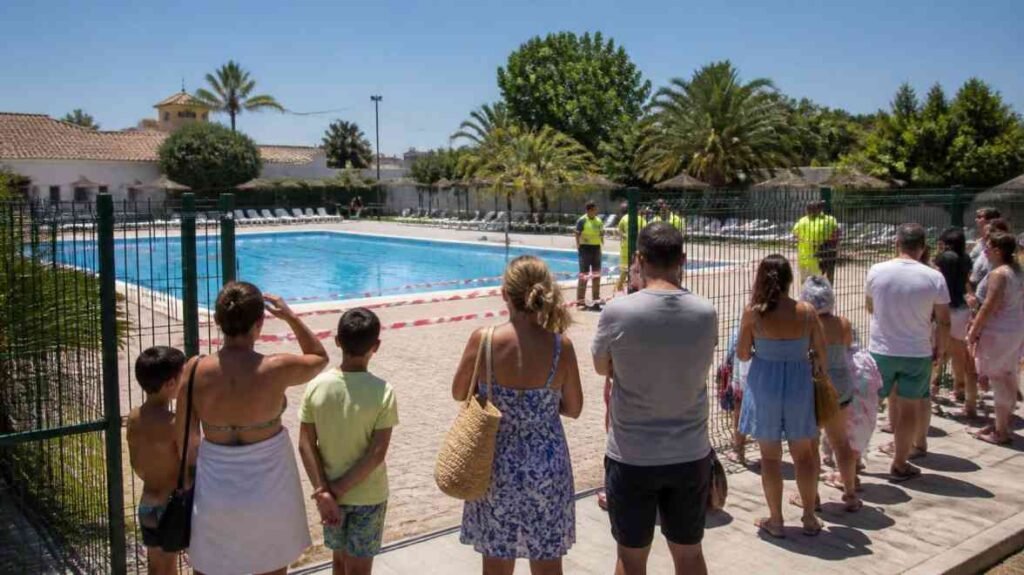
Recreational pools are high on the agenda across Spain currently as families and tourists look to escape after a summer heatwave, with tennis coaches warned not to swim already this year. Spain has seen a spate of pooh-related incidents — the brown challenge, where people purposely put human faeces in swimming pools before sometimes filming it for social media — clearly with an eye to closing the facilities.
It might seem like a lowbrow gag, but the ramifications can go well beyond annoyance. The pools have to be drained, cleaned and tested before swimmers can return, and health experts warn that faecal contamination can put people at risk of bacteria, viruses and parasites.
How the Brown Challenge in Spain Became a Serious Problem
Reports say the trend — which in Spanish is called reto marrón — has been circulating on platforms such as TikTok and Instagram. It is claimed that participants have tainted the pools directly or by concealing faeces in bags or clothes and then releasing them into the water. Other videos are said to have been made specifically to shut down a pool.
This is not the first time we’ve seen disruption on this scale. On 22 July 2025, Spanish newspaper La Vanguardia reported that over 300 public swimming pools across Spain had also been hit by wilful faecal contamination events. Swimming-pool hygiene and public safety have been in the spotlight once more, with news stories in August 2026 warning about the trouble it can cause — including practical recommendations.
What makes the brown challenge in Spain unique is that hundreds can be impacted by a single incident, causing the closure of an entire community facility. In small towns, municipal pools offer the only respite during days and weeks of extreme temperatures and are important communal places in the hottest months.
Why Faecal Contamination Can Put Swimmers at Risk
The most salient issue is not just how unwholesome it is. Pathogenic microorganisms are present in human waste, and exposure to them can occur if swimmers inadvertently gulp pool water contaminated with faeces.
Salmonella, norovirus and Cryptosporidium are some of the organisms involved in reports associated with these incidents. Depending on the organism causing the illness and how much contaminated water a person is exposed to, symptoms may include diarrhoea, vomiting, fever and stomach discomfort.
Children may also be more likely to be exposed, since little swimmers may swallow pool water while playing or learning to swim. Deliberate contamination is hardly just a prank targeted at pool operators; it can lead to a bona fide public-health problem for families who share the facility.
Why Affected Swimming Pools Cannot Reopen Straight Away
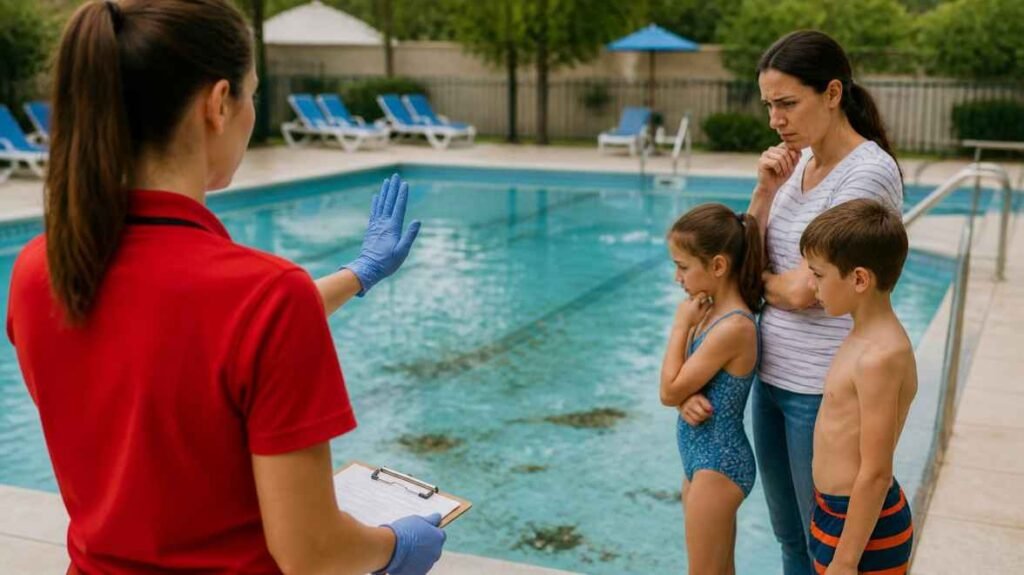
When faecal contamination is identified, operators are unable to simply remove the material and allow people back into the water. Affected pools may have to remain closed for 24 to 48 hours while cleaning, filtration and repeated water testing take place.
In more severe circumstances, institutional pools may need to empty and refill sections of, or even the entire, pool, which can waste huge volumes of water and cause rises in operational expenses. This means that some swimming sessions, events and community activities may need to be cancelled while treatment is finished.
And this is exactly why the brown challenge in Spain causes greater financial repercussions. In addition to the cleaning costs, closures can also mean cancelled local recreation services and added staff time to clean up before authorities allow the amenity to be used once more.
Spanish Authorities Crack Down With Bigger Fines and Security
In several Spanish municipalities, authorities have acted by issuing public warnings and imposing greater fines on those who are caught intentionally fouling swimming pools. Around 50 municipalities have issued alerts on the incidents, reports say.
Those responsible can be fined, depending on the area, between €1,000 and €3,000 — but reportedly up to €5,000 in Picassent. Those deemed responsible could also be banned from returning to swimming facilities they have affected.
Other pools have added more police or security monitoring. It is not always easy to identify those responsible, especially where places do not have an extensive system of cameras or require identification from anyone entering their premises.
What Tourists and Families Need to Know Before Swimming
The reports do not suggest Spain is unsafe for people travelling to the country, or that public swimming pools in the country are dangerous. Reporting is on a per-facility basis — individual facilities where contamination has been detected — and affected pools are expected to close for treatment rather than continue operating as normal.
In instances where a pool closure is unexpected, patrons must follow the directions of facility staff and not enter restricted water. In addition, parents should keep reminding children not to swallow swimming-pool water, which is an important hygiene precaution regardless of deliberate contamination incidents.
How an online prank can turn into a real-life debate once it involves public health and common spaces is demonstrated by renewed interest in Spain’s brown challenge. Things that may be laughed at on the internet could leave swimming pools shut, communities unable to access water during hot weather and local authorities picking up the bill for cleaning and enforcement costs.