
Ghost Tapping Scam: What It Is, How It Works, Warning Signs, and How to Stay Safe
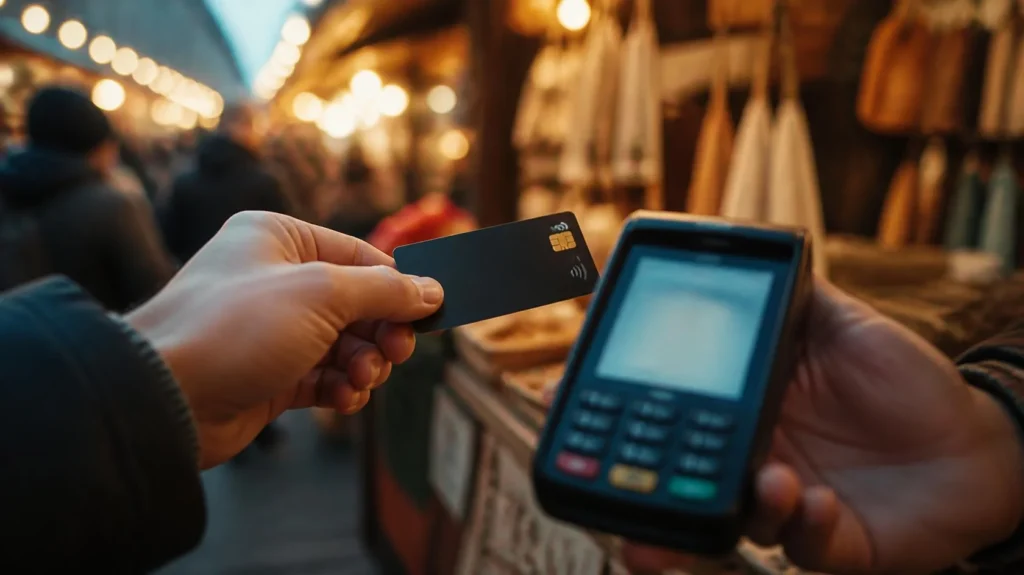
Tap-to-pay technology has made everyday purchases faster and easier, but that same speed is exactly what criminals are learning to exploit. One scheme making the rounds is called “ghost tapping,” where a scammer tricks a contactless card or digital wallet into completing a payment without the owner’s knowledge or full consent.
The scam relies on Near Field Communication (NFC), the same short-range wireless technology used by contactless debit cards, credit cards, smartphones, and digital wallets. It’s worth saying upfront: ghost tapping cannot drain your bank account from across a room. Every real-world case involves close physical proximity, a distraction, a rigged payment terminal, or plain old social engineering. Understanding how the tactic actually works — and what to watch for — is the best defense.
What Is a Ghost Tapping Scam?
A ghost tapping scam is a form of contactless payment fraud where someone manipulates a tap-to-pay transaction so the cardholder ends up paying more than they intended, or approves a charge without realizing it.
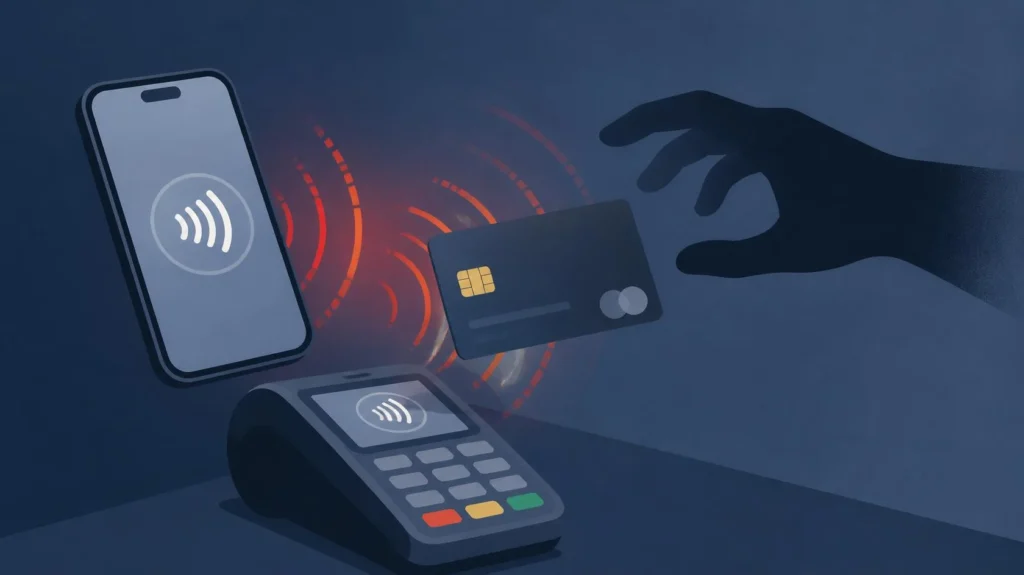
NFC lets a card or phone “talk” to a payment terminal from a few inches away. That short range is actually a built-in safeguard, but scammers work around it by getting physically close enough to trigger a card, or by convincing someone to tap a terminal that’s been altered or mislabeled.
These scams are often run by people posing as street vendors, charity collectors, or pop-up sellers. The victim is rushed into tapping quickly, without ever seeing the amount on the screen. If the “merchant” is in on the fraud, that number can be many times higher than the small purchase the victim thought they were making.
How Does the Ghost Tapping Scam Work?
The scam works by combining NFC’s proximity requirement with distraction, pressure, or an outright dishonest seller. Some scammers use a portable card reader and try to get it within an inch or two of a card sitting in someone’s pocket or bag. According to Lehigh Valley Educators Credit Union, NFC connections typically require a distance of roughly 1.5 to 4 inches, so this method demands real closeness — it isn’t something that happens accidentally in a crowd.
The far more common version doesn’t need any special equipment at all. It just needs the victim to tap the terminal themselves. A fake seller might quote a small, tempting fee, angle the screen away, and hurry the customer along so they tap without ever checking the total.
McAfee describes these incidents as largely opportunistic and in-person, not remote hacks. In other words, the “technology” behind the scam matters far less than the pressure and distraction the scammer creates.
What Are the Most Common Ghost Tapping Tactics?
The most common tactics involve a fake or misleading seller, a rushed payment, a hidden total, close physical contact, and a request that sounds too small to worry about.
Scammers tend to target crowded, chaotic environments — festivals, markets, shopping districts, sports events, and transit hubs — where people are already distracted and less likely to double-check a transaction.
One recurring version involves someone posing as a charity collector or door-to-door fundraiser who claims they can only accept contactless payments. A report cited by UNILAD and McAfee described a door-to-door seller supposedly collecting money by selling chocolate; the victims believed they were making small donations but were later charged hundreds of dollars, including reported amounts of $537 and $1,100.
The lesson is simple: never assume a payment is safe just because the requested amount sounds small.
Where Is Ghost Tapping Most Likely to Happen?
Ghost tapping is most likely to happen anywhere crowds, noise, and rushed transactions make it hard to carefully check a payment terminal. Higher-risk settings include:
- Festivals and outdoor events
- Busy markets and flea markets
- Airports and transportation hubs
- Crowded shopping areas
- Sporting events
- Street-vendor stalls
- Door-to-door fundraising
- Informal charity collections
These aren’t places to lower your guard with contactless payments — they’re exactly where scammers count on noise, urgency, and short attention spans to work in their favor. As UNILAD has reported, the entire scam often depends on getting you to tap before you’ve had a chance to check the merchant name or the amount.
What Are the Warning Signs of Ghost Tapping Fraud?
The clearest warning signs are unfamiliar contactless charges, being rushed to tap, a total that’s hidden until after payment, an unrecognizable merchant name, or a seller who won’t provide a receipt.
Pay attention even to small, unexplained charges. A minor unauthorized transaction can easily slip past unnoticed among your regular spending.
Other red flags include a seller who blocks your view of the terminal, distracts you mid-payment, or insists that tap-to-pay is the only accepted method. Turning on real-time transaction alerts through your bank — a step recommended by both McAfee and the Better Business Bureau — gives you an early warning the moment something looks off.
Can Someone Steal All Your Card Information Just by Walking Past You?
No — someone cannot simply walk past you and instantly clone your card or empty your account. This is one of the biggest misconceptions about ghost tapping.
An attacker can’t remotely drain funds or easily bypass the security built into modern mobile wallets. In nearly every realistic ghost-tapping case, the scam requires extremely close physical proximity, a manipulated terminal, or a victim who was misled into tapping. That distinction matters, because sensational claims about NFC “hacking” tend to spark more panic than the actual risk warrants.
Contactless systems already include multiple layers of security, and mobile wallets often add more. But no payment method can fully eliminate fraud that succeeds through deception or human error rather than a technical flaw.
How Can You Protect Yourself From a Ghost Tapping Scam?
You can protect yourself by checking every transaction before you tap, turning on real-time bank alerts, keeping your card in a protective sleeve, and never letting anyone rush you through a payment.
Start by looking at the terminal before you tap your card or phone — confirm both the amount and the merchant name. If anything seems off, ask questions or dispute the charge on the spot.
Turn on transaction alerts through your bank or card issuer. Catching an unauthorized charge within minutes is far more useful than spotting it weeks later on a statement.
Review your bank and credit card statements regularly. Even a small charge you don’t recognize is worth looking into.
A few more habits worth building:
- Keep contactless cards secured inside your wallet, not loose in a pocket or bag.
- Consider an RFID-blocking wallet or sleeve if you’re concerned about unauthorized scanning.
- Never tap a terminal if you can’t see the amount first.
- Ask for a receipt on any transaction that feels unfamiliar.
- Don’t let a seller pressure you into paying immediately.
- Carry only the cards you actually need.
- If something feels off, switch to another payment method.
- If you never use contactless payments, ask your bank about disabling the feature.
These precautions are echoed across consumer guidance from McAfee, UNILAD, and Lehigh Valley Educators Credit Union.
Are Mobile Wallets Such as Apple Pay Unsafe?
No, mobile wallets like Apple Pay are not inherently unsafe — they include built-in security features that make unauthorized payments significantly harder to pull off.
Dramatic stories about digital wallet scams can make it sound like criminals easily bypass these protections. In reality, McAfee notes that most reported cases involve victims being pressured into approving a transaction or failing to check the total, not attackers cracking a wallet’s technical safeguards.
The single most reliable habit, regardless of whether you use a card, phone, or smartwatch, is the same: always check the merchant and the amount before authorizing any payment.
What Should You Do If You Become a Victim?
If you notice an unauthorized charge, contact your card issuer or bank immediately and secure the compromised payment method. Don’t wait to see if more charges appear.
Start by reviewing your recent activity and alerting your issuer so they can freeze, replace, or reissue the card and stop any pending unauthorized transactions. The Federal Trade Commission advises consumers who spot unauthorized charges to contact their financial institution right away and request a refund.
Your legal protections can vary depending on the type of card and how quickly you report the issue, so it’s best to act immediately rather than wait until your next statement arrives. You can also file a report through the FTC’s ReportFraud tool, and the Better Business Bureau’s Scam Tracker is a useful way to document your experience and help warn others.
Is an RFID-Blocking Wallet Necessary?
An RFID-blocking wallet can help, but it’s a helpful supplement rather than a complete solution to contactless payment fraud.
Both the BBB and credit union guidance cited by McAfee recommend RFID-blocking wallets or sleeves as one way to limit unauthorized wireless scanning attempts.
That said, an RFID-blocking wallet won’t help if you tap a terminal yourself and unknowingly approve the wrong amount. Awareness is still your strongest protection — checking transaction details, enabling bank alerts, monitoring your accounts, and reporting suspicious activity quickly all work together as layers of defense.
Final Thoughts
Ghost tapping is best understood as a close-range scam that relies far more on pressure and distraction than on any real technical exploit. Tap-to-pay itself remains a secure, reliable way to pay, and there’s no need to treat every contactless transaction as a threat.
The real risk shows up when someone gets unusually close to your card, rushes you to tap, hides the amount, poses as a dubious merchant, or otherwise stops you from clearly seeing what you’re agreeing to pay.
It only takes a few seconds to check the amount and the merchant before any contactless payment. Set up bank alerts, follow up on unexpected charges right away, and report anything suspicious to your financial institution without delay. Those few seconds of attention are what keep a simple tap from turning into an unauthorized transaction.