
Great Smoky Mountains National Park: Your Complete 2026 Visitor Guide
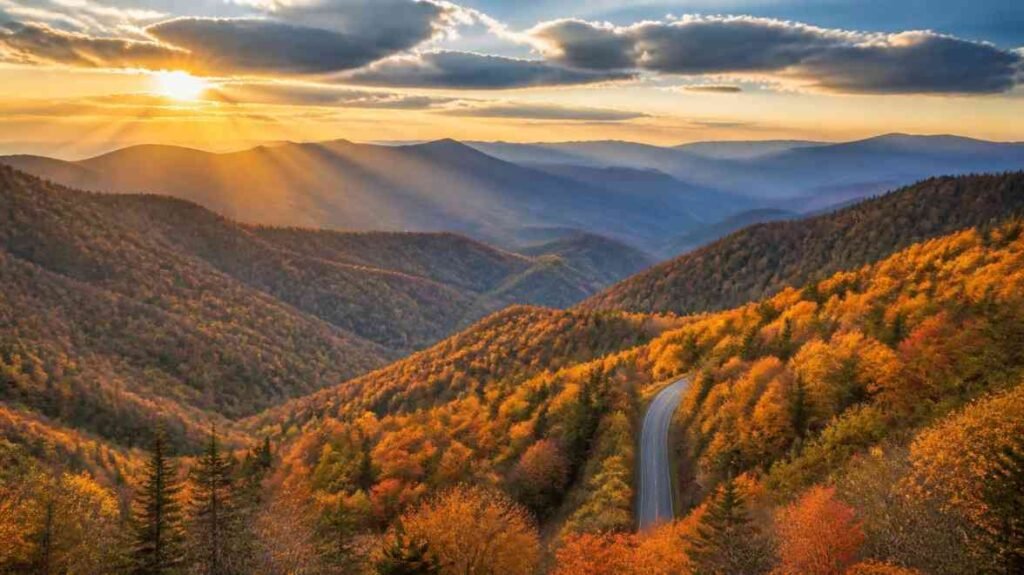
Thinking about a trip? You’re definitely not the only one. Great Smoky Mountains National Park pulls in more visitors than any other national park in the country — over 13 million a year, which is more than Grand Canyon and Yellowstone combined. Kind of wild when you think about it. So why does everyone keep coming back, and how do you actually plan a visit without messing it up? Let’s get into it.
Why Great Smoky Mountains National Park Is So Popular
A few reasons, really. For starters, it’s free — no entrance fee, which honestly sets it apart from most major U.S. parks right off the bat. It also sits smack in between Tennessee and North Carolina, so for a huge portion of the country, it’s just… close. An easy weekend drive rather than a whole flight-and-hotel ordeal.
And then there’s the scenery. Misty ridgelines, ancient forests, black bears wandering around, more than 100 native tree species — it genuinely feels different depending on the season you catch it in. Spring looks nothing like fall, which looks nothing like winter.
Speaking of fall — that’s the season everyone’s talking about right now.
Fall Foliage Season Is Coming — Here’s the Timing
If a trip to Great Smoky Mountains National Park is on your radar this year, fall is really the window to plan around. Color starts showing up at the higher elevations first — think above 4,000 feet — sometimes as early as mid-September. From there, peak color at those upper spots usually lands somewhere between mid-October and early November. The lower valleys lag behind by about a week, typically peaking late October into the first few days of November.
A handful of tips if you’re chasing the colors:
- Go high first. Newfound Gap Road and Kuwohi (you might know it as Clingmans Dome) turn early.
- Save the low spots for later. Cades Cove and the Gatlinburg-Pigeon Forge area peak closer to late October.
- Book now, not later. Cabins around here vanish fast during the last three weeks of October — don’t wait.
- Bring layers. It can be 20 degrees colder up on the ridges than it is down in town, and that catches a lot of people off guard.
Best Spots to See It All
You don’t have to be some seasoned trail veteran to get the good views at Great Smoky Mountains National Park. A lot of the best spots barely require a walk at all.
- Cades Cove — an 11-mile loop with old cabins, open meadows, and honestly some of the best wildlife-spotting odds in the park.
- Foothills Parkway — 33 miles of ridge-top views, best around sunrise or sunset if you want the good light.
- Roaring Fork Motor Nature Trail — a slower, winding drive near Gatlinburg where waterfalls just show up out of nowhere.
- Kuwohi — the highest point in the Smokies. Clear day up there and you’re looking at 360 degrees of everything.
Before you head out, it’s worth checking the official National Park Service website for real-time weather and trail conditions — things change fast up there.
One Thing Every Visitor Needs to Know: The Parking Tag Rule
This one trips people up constantly. Since 2023, Great Smoky Mountains National Park has required a parking tag for any vehicle sitting for more than 15 minutes. It’s not an entrance fee, to be clear — it’s a small daily or annual charge that goes straight into trail upkeep, maintenance, and staffing. Grab yours ahead of time through the official parking tag portal so you’re not fumbling with it the morning of your hike.
Beyond Hiking: Wildlife, Fireflies, and More
There’s more going on here than trails and photo stops. Great Smoky Mountains National Park is home to black bears, elk, and over 200 bird species — plus one genuinely strange summer spectacle: synchronous fireflies. Every late May, thousands of them gather near Elkmont and start flashing in unison, which is a phenomenon that only happens in a handful of places on Earth. Getting in during peak week means entering a lottery through Recreation.gov, so plan months ahead if this is on your bucket list.
There’s also an elk-viewing setup near Oconaluftee Visitor Center, partly staffed by trained volunteers who keep both the animals and the crowds safe during busy wildlife season.
Planning Your Visit the Right Way
Peak seasons here get busy — like, really busy — so a little prep goes a long way. Quick checklist:
- Pick your season based on what you’re after — wildflowers in spring, full access in summer, color in fall, quiet in winter.
- Lock in lodging early if October’s your target.
- Grab your parking tag online before you go.
- Double-check road and trail conditions, since prescribed burns and seasonal closures pop up.
- Pack layers no matter the month — mountain weather doesn’t care about your plans.
Final Thoughts
Whether you’re after fall color, hoping to spot a bear from a safe distance, or just want a quiet weekend somewhere green, Great Smoky Mountains National Park has a way of delivering something a little different every time. Over 800 square miles, zero entrance fee, and a reason to come back in every season — it’s not hard to see why millions of people keep making the trip. Just don’t forget the parking tag, plan around whatever season pulls you in most, and you’re good to go.