
Lindsay Clancy Trial Recap: What’s Happened as the Case Heads to a Verdict
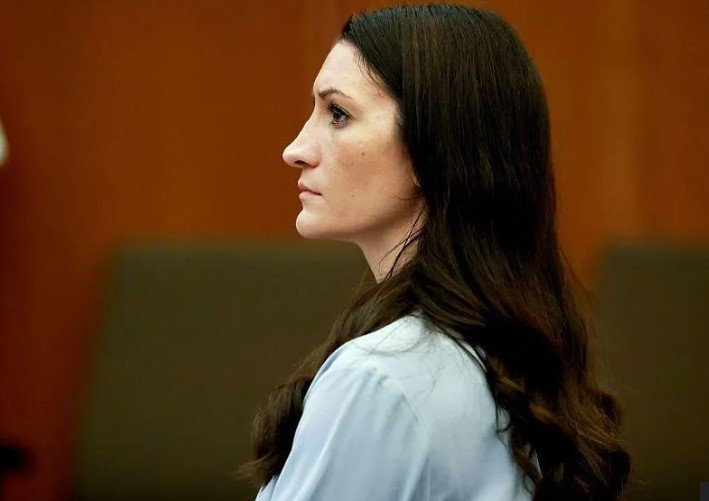
Credit: (Getty Images)
The Lindsay Clancy trial has turned into one of the most closely followed criminal cases in the country this year, and it’s now reaching its final stage. Closing arguments are set to begin this week in Plymouth Superior Court, Massachusetts, following weeks of difficult testimony from doctors, family members, and mental health experts. Here’s a straightforward, up-to-date Lindsay Clancy trial recap — what’s happened, and what’s likely coming next.
How the Case Started
Lindsay Clancy, now 36, is charged with three counts of first-degree murder in the deaths of her three young children — 5-year-old Cora, 3-year-old Dawson, and 8-month-old Callan. Prosecutors say she strangled her children with exercise bands inside the family’s Duxbury, Massachusetts home on January 24, 2023, while her husband, Patrick, had stepped out to run a short errand. After the killings, Clancy is accused of jumping from a second-story window in what appears to have been a suicide attempt. That fall left her paralyzed from the waist down — she’s used a wheelchair throughout the trial.
She’s pleaded not guilty. Her defense centers on an insanity claim: that she was suffering from severe postpartum psychosis and, at the time, couldn’t understand right from wrong.
The Core Argument at Trial
Any real Lindsay Clancy trial recap comes down to one central disagreement — was this a mental health crisis, or something planned?
The defense says Clancy was dangerously over-medicated in the months following her third child’s birth, taking as many as a dozen different prescriptions at one point. Friends and family testified that she’d described a male voice in her head telling her to harm her children, and that she’d voiced “dark, intrusive thoughts” to people close to her in the weeks leading up to the killings.
Prosecutors see it differently. Their final witness, a forensic psychiatrist, testified that Clancy had the mental capacity to understand right from wrong that day — a direct rebuttal of the insanity claim at the heart of the defense’s case.
Key Moments From the Trial
A handful of moments have really defined this trial, and they’re worth flagging in any Lindsay Clancy trial recap:
- Dueling expert opinions. Psychiatrists on both sides landed on opposite conclusions about her mental state — not unusual in insanity-defense cases, but it’s made this one genuinely hard for jurors to untangle.
- The hotline detail. The defense pointed out that Clancy had reportedly called a crisis hotline twice before the killings and was redirected to her medical provider instead of being hospitalized.
- Family testimony. Her husband and parents described her, in their own words, as a devoted and loving mother — testimony the defense has leaned on to frame her actions as a product of illness, not intent.
- The manslaughter option. The judge ruled jurors can also consider a manslaughter charge, giving them a middle path between a murder conviction and a not-guilty-by-reason-of-insanity finding.
What Happens Next
Testimony wrapped up on August 26, and closing arguments should follow shortly after. From there, the judge issues jury instructions, and deliberations begin. A first-degree murder conviction carries a mandatory life sentence without parole. If jurors find her not criminally responsible due to mental illness, she’d be committed to a state mental health facility instead of prison.
No verdict had come in at the time this recap was written, so if you’re following the case closely, it’s worth checking current local coverage for the latest.
Why This Case Has Drawn National Attention
Part of why the Lindsay Clancy trial recap keeps circulating online comes down to how rare and disturbing the facts are, layered on top of a national conversation about postpartum mental health that doesn’t usually get this much visibility. Groups like Postpartum Support International point out that postpartum psychosis, while extremely rare, is a recognized medical emergency — and cases like this one have pushed more public attention toward maternal mental health screening and where the gaps are. For general court scheduling and case records, Plymouth Superior Court’s public information is the most direct source.
Final Thoughts
This case sits right at the intersection of criminal law and mental health, and that’s exactly why it’s sparked so much debate. Whatever the jury ultimately decides, the trial has already reignited a bigger conversation — about postpartum psychosis, medication management, and how the healthcare system responds when a new mother says she’s having dark thoughts. This Lindsay Clancy trial recap will probably need an update soon, once closing arguments finish and a verdict comes down.