
From Disney Star to Wellness Advocate: Alyson Stoner’s Life Beyond Camp Rock
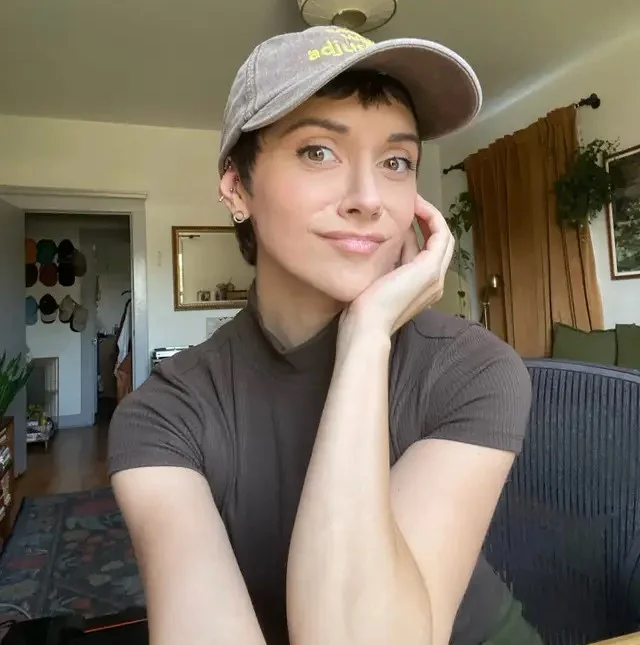
Credit (@alysonstoner/Instagram)
The release of Camp Rock 3 has put Disney nostalgia back in the spotlight, but one familiar face is missing. Alyson Stoner, who played Caitlyn Geller in the first two Camp Rock movies, did not return for the new film. That absence has renewed interest in Alyson Stoner after Camp Rock and the direction their career has taken since their Disney years.
Stoner was a recognizable young performer long before Camp Rock. They appeared as a child dancer in Missy Elliott’s “Work It” video and later built a résumé that included Cheaper by the Dozen, The Suite Life of Zack & Cody, Step Up and voice work for Phineas and Ferb. In 2008, Camp Rock placed them alongside Demi Lovato and the Jonas Brothers as Caitlyn, Mitchie Torres’ musically gifted friend. Stoner returned for Camp Rock 2: The Final Jam in 2010.
Why Alyson Stoner Is Not in Camp Rock 3
When Camp Rock 3 was moving forward, Stoner said they had not been contacted about reprising Caitlyn. During a Teen Vogue Summit appearance, they reacted positively to the sequel and suggested it could introduce a new generation of campers.
Entertainment Weekly reported on Stoner’s response to Camp Rock 3, including why they did not expect to return to the franchise.
The new movie instead combines familiar faces with younger performers. Joe, Nick and Kevin Jonas returned as Connect 3, while Demi Lovato also remained connected to the project. The approach allows Disney to capitalize on nostalgia without simply recreating the original films.
Stoner’s absence is therefore less surprising when viewed alongside the broader direction their career has taken.
A Career Shift Toward Mental Health and Advocacy
The story of Alyson Stoner after Camp Rock is not simply one of a former Disney actor disappearing from Hollywood. Stoner has increasingly redirected their public work toward writing, wellness, mental health education and advocacy for young performers.
One of the clearest examples came with their memoir, Semi-Well-Adjusted Despite Literally Everything. The book explores Stoner’s childhood in entertainment and describes the pressures associated with becoming a professional performer at such a young age.
Macmillan’s official page for Semi-Well-Adjusted Despite Literally Everything describes the memoir as an examination of child stardom, identity and the complicated realities hidden behind professional success.
Stoner has publicly discussed issues including career pressure, finances, body image and mental health. Their experiences have increasingly shaped how they speak about the entertainment industry, particularly when it comes to protecting children who enter the business before they are old enough to fully understand its consequences.
Rather than focusing only on their own experiences, Stoner has also called attention to structural problems surrounding child performers.
Speaking Out About Child Stardom
Stoner has become increasingly vocal about the protections young actors and performers may need.
Their Dear Hollywood project examines topics such as working conditions, financial safeguards, family dynamics, identity development and the psychological impact of growing up under public scrutiny.
The conversation has become particularly relevant as audiences reconsider the experiences of former child stars from Disney, Nickelodeon and other major entertainment companies.
ABC News covered Stoner’s concerns about child stardom, including their argument that stronger protections could help young performers navigate money, fame and professional pressures more safely.
For Stoner, the issue is not simply whether children should be allowed to perform. The larger question concerns the environment surrounding them and whether young entertainers receive sufficient emotional, financial and professional protection.
Movement Genius and a Different Career Path
Another important part of Alyson Stoner after Camp Rock is their work outside conventional acting.
Stoner co-founded Movement Genius, a digital wellness platform centered on movement and mental wellbeing. The project reflects a broader shift from performing primarily for audiences toward creating resources intended to support people physically and emotionally.
The official Movement Genius website explains the platform’s approach to movement-based wellness and provides additional background on its mission and Stoner’s involvement.
This career evolution does not mean Stoner has completely abandoned entertainment.
They have continued to participate selectively in creative projects, including voice acting and other media-related work. Their relationship with Hollywood appears to have changed rather than ended.
Instead of measuring success solely through major movie roles, television appearances or celebrity status, Stoner has built a professional identity that combines creativity, education, advocacy and wellbeing.
More Than a “Where Are They Now?” Story
The renewed attention surrounding Camp Rock naturally encourages fans to ask what happened to the original cast.
However, Stoner’s journey is more complicated than a conventional celebrity update.
The story of Alyson Stoner after Camp Rock shows how someone who became famous at a young age can eventually reconsider what success means and how they want to participate in the industry that shaped their childhood.
Their memoir, advocacy work and wellness projects also provide a different perspective on Disney-era nostalgia. Fans may remember colorful performances, catchy songs and familiar characters, while the performers themselves may remember demanding schedules and pressures audiences never saw.
That contrast has become an increasingly important part of conversations surrounding childhood fame.
As Camp Rock reaches another generation, Stoner’s life illustrates that leaving a famous character behind does not necessarily mean leaving creativity behind. Instead, their career has expanded into mental health advocacy, wellness, writing and efforts aimed at improving conditions for future performers.
For viewers who remember Caitlyn Geller as Mitchie’s talented and level-headed friend, Stoner’s present-day work may look very different from their Disney years. But creativity remains central to what they do.
The difference is that today, Stoner appears to be using that creativity not only to entertain audiences but also to examine the industry itself and help build healthier alternatives for the people working within it.